Starting Your Independent Media Channel
Launching an independent media channel can be an empowering way to share your voice and build community. This guide covers essential steps to start your media presence even with minimal resources, helping you set a solid foundation for growth and impact.
Explore ↗
Clarify Your Vision and Niche
Begin by defining the core purpose of your media channel. What topics or perspectives do you want to share? Determining your niche early helps focus your content and attract a dedicated audience. Consider your passions, expertise, and underserved areas in media you can contribute to.
Choosing a clear target audience helps tailor your messaging and build a community around shared interests or needs. Write down your mission statement to keep your efforts aligned through growth and changes.
- Identify core topics you want to cover
- Define your target audience profile
- Write a concise mission statement
- Assess what unique angle you bring to media
Plan Your Content and Format
Decide what types of content you want to produce — such as video, audio, text-based articles, or a combination. Each format has different requirements and reaches different audience segments.
Consider the frequency and length of your content to establish a manageable schedule. Consistency helps build trust and anticipation.
Outline initial content ideas with a flexible editorial calendar to keep you organized while allowing creativity and responsiveness to feedback.
- Choose formats suitable for your skills and resources
- Plan realistic publishing schedule
- Create a list of initial topics or episodes
- Use a content calendar for organization
Set Up with Essential, Low-Cost Tools
You can start producing and distributing content using affordable or free tools. For example, smartphones can handle recording video or audio with decent quality.
Explore free or low-cost editing software depending on your content type, such as audio editors, video editors, or blogging platforms.
Choose a platform to publish your content that fits your needs — it might be a YouTube channel, podcast host, blog, or social media page.
Focus on usability and ease of maintenance to sustain consistent output over time.
- Use smartphone or basic camera equipment
- Try free editing tools like Audacity, DaVinci Resolve, or CMS platforms
- Select suitable hosting or publishing channels
- Keep your tech setup simple to maintain consistency
Build an Initial Audience and Engagement
Start sharing your content with existing friends, family, and relevant online communities to gain early listeners or viewers.
Engage authentically by responding to comments, asking for feedback, and encouraging conversations. Building two-way connections fosters loyalty.
Utilize relevant social media channels to amplify your reach without overwhelming yourself by focusing on platforms where your target audience is active.
Consider collaborations or guest features with other independent creators for mutual growth.
- Share with close networks first
- Respond to audience feedback
- Use targeted social media platforms
- Collaborate with fellow creators
Stay Consistent and Adapt
Maintain your publishing schedule as best as possible to build habits and audience expectations.
Periodically review what content resonates and adjust your topics or format accordingly.
Don’t hesitate to experiment with new ideas while holding true to your core mission.
Track basic metrics like views, listens, or community engagement to understand growth patterns and inform your strategy.
- Keep a regular production schedule
- Evaluate audience response and refine content
- Experiment while staying mission-aligned
- Monitor simple performance indicators
Discover more

Building an Engaged Audience Organically
Effective strategies to grow and sustain a loyal community for independent media without relying on paid ads.
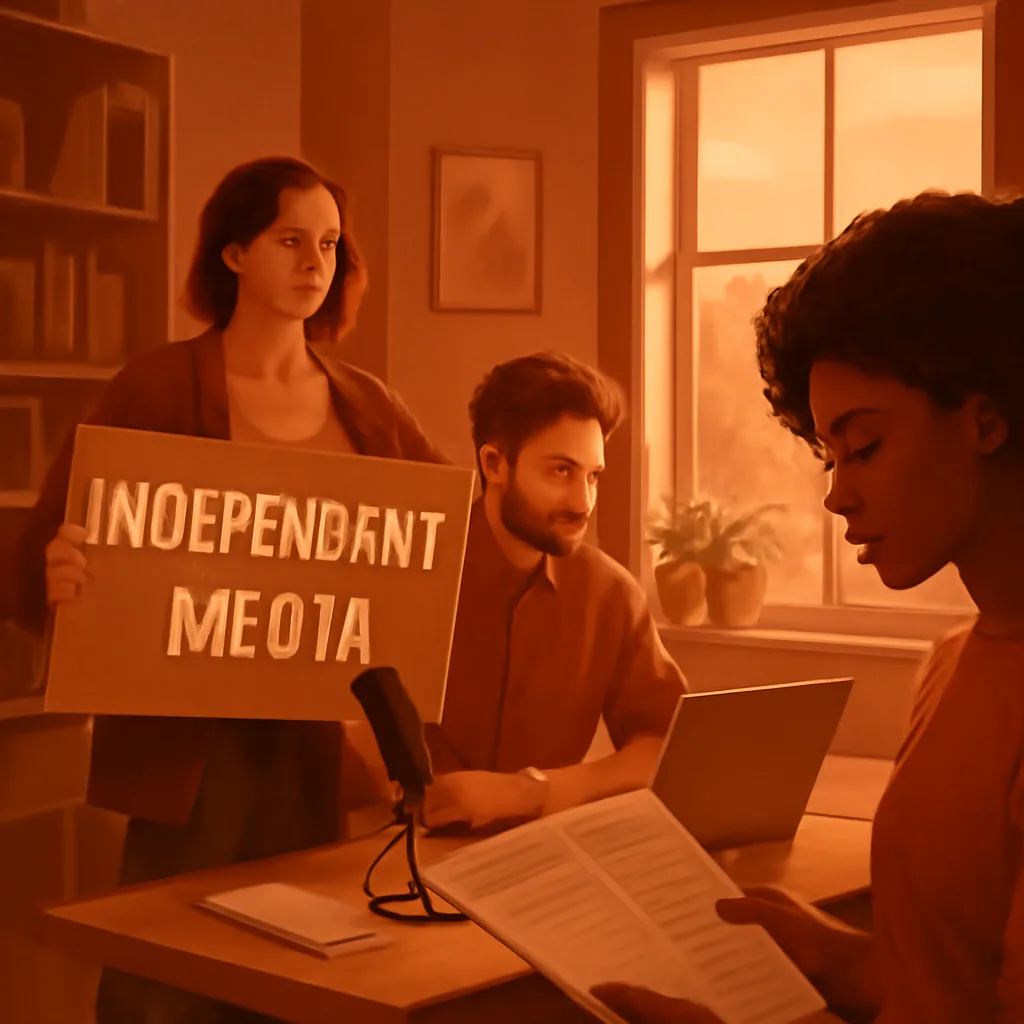
Essential Equipment for Indie Creators
Affordable, effective gear recommendations to help independent creators produce high-quality media content.
Funding Options for Independent Media
Explore practical funding sources including crowdfunding, grants, and sponsorships tailored for independent media creators.
Legal Basics for Content Creators
Key legal insights for independent media makers, covering copyright, fair use, contracts, and protecting your creative work.
Leveraging Social Media Effectively
Explore practical strategies for independent media to boost visibility and engage authentically on social platforms.
Collaborating Within Independent Communities
Explore practical ways independent creators can collaborate to amplify reach and impact across shared audiences.